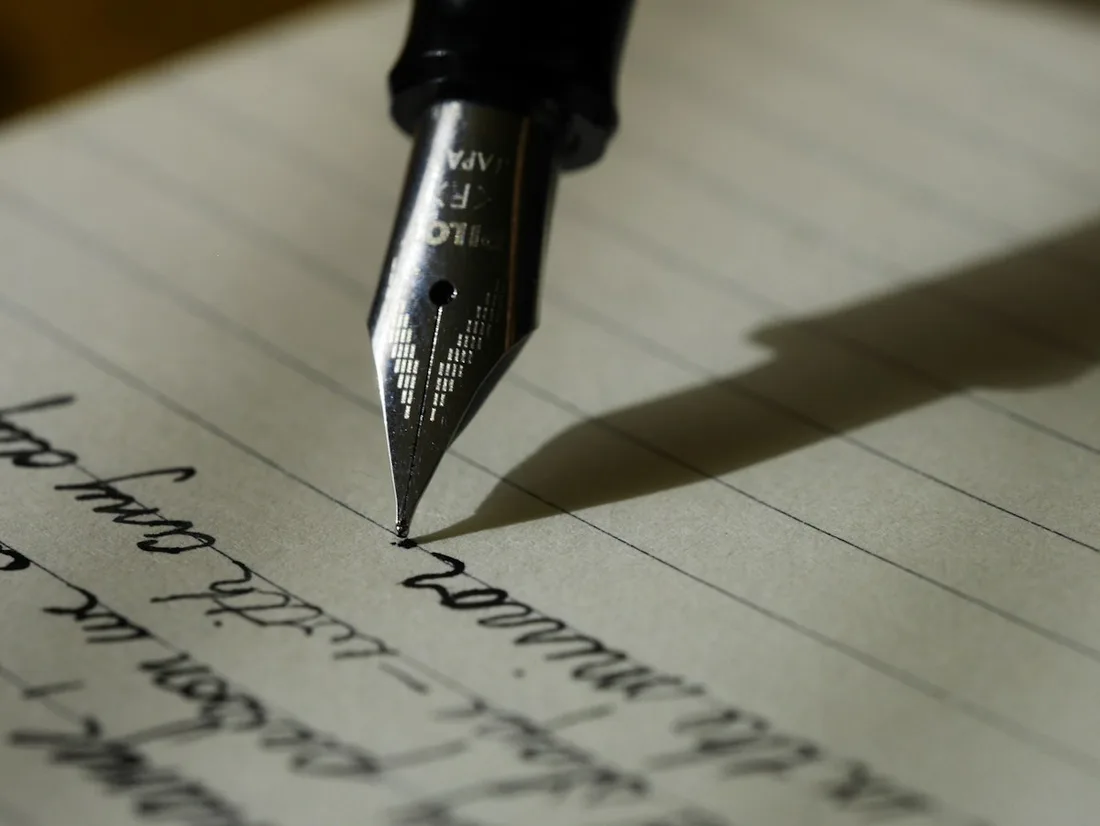
A notebook can be beautiful and still be inconvenient to use. The pages may be too small for meeting notes, the cover too heavy for a commuting bag, or the ruling too narrow for the way you write. Choosing one begins with the job it needs to do, not with a promise that a new notebook will transform the whole routine.
Give it one main purpose
Decide whether the notebook is for daily lists, work notes, private journaling, or an ongoing project. Combining everything can work, but it requires a simple method for finding things again. If the pages repeatedly fill with unrelated fragments, one dedicated notebook may be easier than an elaborate indexing system.
Look at a recent page you actually used. Count how much space the entry needed and notice whether you draw diagrams, use large handwriting, or write compact paragraphs. A notebook suitable for short errands is not automatically suitable for a long discussion or a weekly planning spread.
Choose size by the place of use
Measure the bag or drawer where the notebook will live. A larger format provides room to think on the page but can be awkward on a small cafe table or during travel. A pocket-size book is easier to carry, although its pages may become crowded quickly. Consider thickness as well as height and width.
If the notebook stays at a desk, portability matters less than how it opens and how comfortably the page can be written on. If it moves between work and home, a durable cover and secure closure may matter more. Avoid buying a very thick notebook merely because the cost per page appears lower.
| Use | Helpful format | Possible tradeoff |
|---|---|---|
| Short daily tasks | Smaller ruled pages | Limited room for longer notes |
| Meeting notes | Larger ruled or dotted pages | More weight in a bag |
| Sketches and diagrams | Plain or dotted pages | Less guidance for straight writing |
| Ongoing project | Numbered pages or simple index | Requires a small filing habit |
Match paper to the pen
Paper weight is one clue, but it does not guarantee performance with every ink. Look for a sample or a clear description of paper intended for the pen type you use. Fountain pens, markers, pencils, and ballpoints place different demands on the page. If possible, try a few lines before buying several identical books.
Check whether writing shows through strongly or bleeds onto the next page. Decide how much that matters for your intended use. A quick list book may tolerate some show-through; a journal written on both sides may not. Avoid assuming that thicker paper always feels better, since it also increases bulk.
Inspect the binding and details
A notebook that opens comfortably can make writing easier. Spiral binding allows folding back but may catch other objects in a bag. Sewn or other bound designs vary in how flat they lie. Hard covers provide a firm surface, while flexible covers can be lighter and easier to pack.
Page numbering, bookmarks, pockets, and elastic closures can be useful if they support your routine. They can also add price without improving the writing experience. Choose the features you can explain a use for, rather than buying the most elaborate edition by default.
Make the purchase modest
Start with one notebook, not a multipack chosen on the assumption that it will become a lifelong preference. Use our shopping guide for the broader measure-first buying approach, and compare total cost, delivery, and return conditions. For stationery, the right everyday tool may be a straightforward local purchase rather than a premium order.
Create a simple first-page note with the notebook’s purpose. Add a date to entries and leave enough spacing to find actions later. Store private writing appropriately; a notebook used in shared spaces should not expose sensitive personal or work information.
Let use decide the next purchase
After several weeks, note which pages were helpful and which features stayed unused. Buy the next notebook from that evidence. A weekday coffee ritual offers a small moment for short notes, while the budget wishlist guide helps avoid collecting stationery faster than it is used. The best notebook is one you can comfortably carry, open, and write in on an ordinary day.